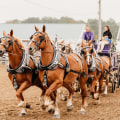
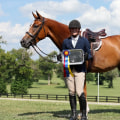
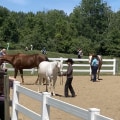
Hosting a horse show in Northeast Ohio can be a rewarding way to bring together riders, trainers, and local equestrian communities while showcasing the region’s strong agricultural roots. With a mix of open farmland, established boarding facilities, and accessible locations near growing suburbs, many farms and arenas are well-positioned to welcome competitors and spectators. Whether you’re organizing a small schooling show or a larger event with multiple classes, the key to success is planning early and thinking through the full experience—from parking and safety to scheduling and hospitality. A well-run show doesn’t just create a great day of competition; it strengthens your reputation and encourages repeat attendance year after year.
Setting Up Your Grounds for Smooth Traffic and Safe Flow
Before entries even open, start by evaluating your property layout and creating a clear plan for traffic flow. You’ll need separate areas for trailer parking, spectator parking, and emergency access, along with visible signage to prevent congestion. Farms with narrow driveways or limited turnaround space should consider using volunteers to direct vehicles during peak arrival times. Designate a check-in station near the entrance so competitors can quickly confirm stall assignments, class times, and arena rules without disrupting movement. Safety should guide every decision: keep walking paths away from moving vehicles, use temporary fencing to separate spectator zones, and ensure that horses can travel calmly between warm-up rings, arenas, and stabling areas without bottlenecks.
Building a Reliable Schedule Riders Can Trust
A dependable schedule is one of the biggest factors in making riders feel respected and willing to return. Create a realistic timeline that accounts for course walks, drag breaks, warm-up rotations, and potential delays. Posting class orders ahead of time and using digital updates through social media or a simple group messaging system can reduce confusion on show day. It also helps to assign a dedicated announcer or show office coordinator who can communicate changes clearly and keep the event moving. If you’re offering multiple divisions, consider running separate rings for flat and over-fences classes when possible to prevent long waits. A smooth schedule benefits everyone—horses stay calmer, riders can plan meals and rest, and spectators enjoy a more engaging event.
Comfort, Amenities, and a Positive Show Atmosphere
Even smaller local shows feel more professional when basic amenities are handled well. Make sure restrooms are clean and easy to locate, provide shaded areas or tents for officials and volunteers, and consider offering a concession stand with simple items like water, coffee, snacks, and lunch options. Riders appreciate small touches such as clearly marked warm-up rules, posted arena maps, and a welcoming tone from staff. If you’re using stalls, check that bedding is available and that water access is reliable throughout the day. For arenas, confirm footing quality in advance and plan for weather—Northeast Ohio conditions can shift quickly, so having extra drag time and a contingency plan for rain can protect both safety and the show’s overall experience.
Facility Maintenance and Preventing Last-Minute Problems
One detail many hosts overlook is how much facility equipment gets pushed during show weekend. Gates open and close constantly, arena doors cycle all day, and storage areas are accessed repeatedly. It’s smart to inspect your property ahead of time, including fences, lighting, wash racks, and especially any garage doors used for tractors, jumps, or footing tools. A stuck door can slow down operations, delay arena prep, and create unnecessary stress. If you notice unusual noises, uneven movement, or gaps, scheduling service early can prevent urgent issues like broken spring repair from becoming a show-day emergency.
Final Steps to Create a Show People Want to Return To
As the event approaches, confirm your volunteer list, print essential paperwork, and walk through the grounds as if you were a first-time visitor. Clear directions, calm organization, and a friendly atmosphere will leave a lasting impression. After the show, follow up by thanking participants, sharing results promptly, and inviting feedback so you can improve next time. Hosting a horse show in Northeast Ohio is more than coordinating classes—it’s about building community, supporting local riders, and creating an experience that feels safe, smooth, and worth coming back for.